 Carinsider
Audi's Electric A4 Slips to 2029 as SSP Setbacks Mount
Electric Cars·November 13, 2026
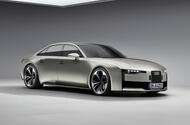
Audi has pushed the arrival of its electric A4 saloon back to 2029, roughly a year later than the 2028 start planned for its Ingolstadt plant. Autocar understands that production will not begin before then, and the postponement comes as the Volkswagen Group's Scalable Systems Platform (SSP), the architecture meant to underpin the car, faces yet more trouble.
The timing leaves a gap. The combustion A4, now renamed the A5 in its latest generation, has long been one of Audi's most important sellers, and its electric successor was expected to play a similar role. It was also meant to compete in the mid-size executive EV class against the BMW i3, the Mercedes-Benz C-Class and the Tesla Model 3. With the delay, Audi will have no entry in that segment for the next few years while its rivals are already selling or preparing their cars.
The SSP has had a difficult run. Volkswagen recently said development of its electric Mk9 Golf on the same platform had been delayed by cost constraints. When the architecture was unveiled in 2021, it was supposed to replace the MEB and PPE electric platforms and the MQB, MLB and MSB layouts used by the group's combustion cars, with one scalable system spanning many segments. Production was originally planned to start in 2026. The first VW Group models on the platform are now at least three years behind that schedule.
Software is a large part of the problem. Cariad, the group's in-house software unit, has been dogged by delays on the common operating system and electronic architecture, including over-the-air updates and driver assistance technology. Its unified software platform was once due in 2025, a year before SSP production was scheduled to begin. Volkswagen has since turned to the American electric carmaker Rivian for key elements of the electronics and software on models sold outside China.
The A4 delay has a separate cause too. Audi wants the car to have the packaging, seating position and interior proportions expected of an A4, so it asked for individual footwells for front and rear passengers instead of the flat floor common to dedicated EV platforms. That meant rethinking where the battery and other high-voltage components sit. Audi has also reportedly specified a 48-volt electrical system in place of the conventional 12-volt setup first planned. The higher voltage supports more powerful computers, but it adds engineering work to the architecture being developed with Rivian.
Skoda, which plans to build the successor to its Enyaq on SSP, could feel the knock-on effects. The brand has not yet said whether the latest changes will affect its timetable. For now, the message is that Audi's next mid-size electric saloon is no longer a 2028 car.
Reporting based on an external source.