 Carinsider
BSA's Titanium Silver Bullet Took Aim at the Heavy Iron Era
Motorsport·November 17, 2026
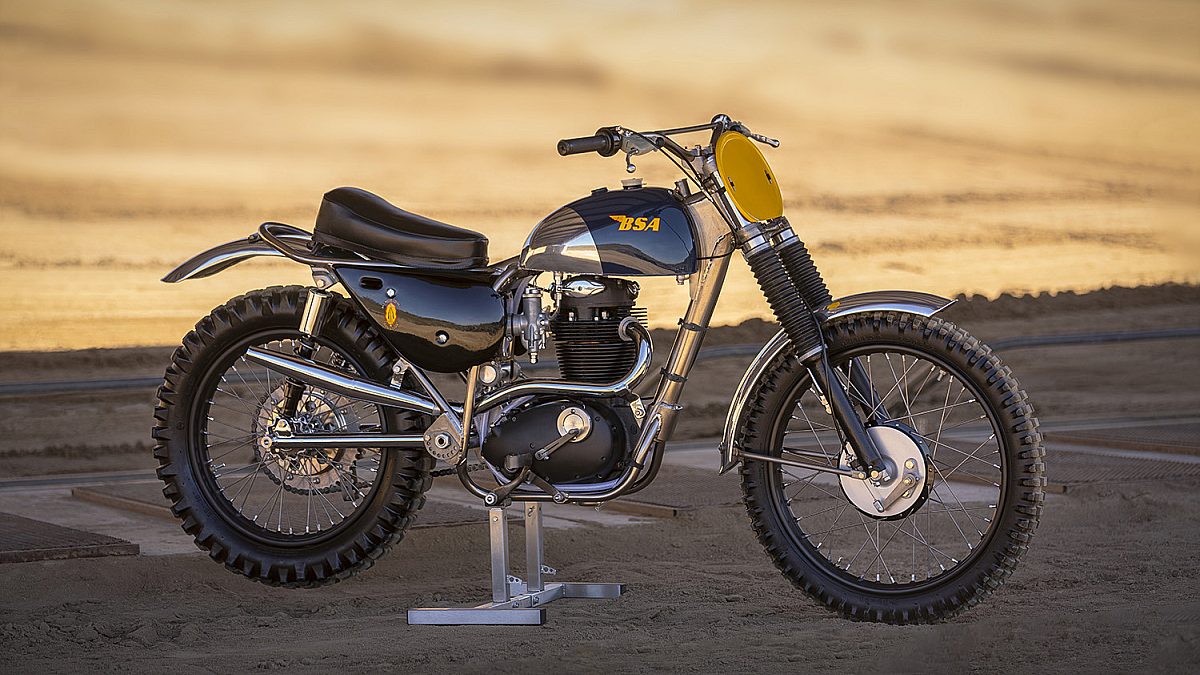
By 1964, the 500 cc Motocross World Championship was a contest of heavy iron. Bikes were built from steel and cast components, and the weight they carried was a constant handicap on rough, punishing tracks.
BSA took a different approach with its Silver Bullet, which used titanium to shed pounds. Titanium was an unusual material for an off-road machine at the time. It was expensive, hard to fabricate, and more familiar to aerospace engineers than to motocross mechanics, so the project stood out from the conventional bikes of its day.
The Silver Bullet is best understood as an engineering argument. Its builders were testing whether a lighter chassis could give a rider an edge in a class where weight and handling mattered as much as engine output. The idea was simple, but turning it into a competitive race bike was far harder.
Our source is a short summary, so the details of the machine's specifications and race results are limited here. What it does establish is that BSA was willing to try a radical material in a sport that still ran on traditional construction, and that the Silver Bullet remains a notable curiosity for collectors and motorsport historians.
Reporting based on an external source.