 Carinsider
Twenty Years On, the Qashqai Still Explains the Crossover Boom
Features·November 12, 2026
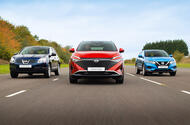
Few cars can claim to have started a trend, and fewer still can say that trend has lasted two decades. Nissan's Qashqai reaches its 20th birthday this year, and the people who worked on it still describe it with the fondness usually reserved for a first child.
The model was born out of a setback. In the early 2000s Nissan was developing a successor to the Almera, but its range looked much like everyone else's and its cars were expensive to make. The Almera was cancelled in December 2002, and the team had to start again. They borrowed the visual language of the Murano, a large SUV Nissan had sold in the US since 2004, and aimed to blend the high seating and practicality of a crossover with the ease of a hatchback. The car shared its platform with the Renault Megane and was meant to cost about the same.
The name caused its own argument. Qashqai refers to a nomadic people in Iran, and Japanese managers initially resisted it, having wanted a different name for their home market. The Qashqai name stuck, and the production model was unveiled at the Paris show in September 2006.
Buyers responded faster than Nissan expected. The company had pencilled in 100,000 sales for the first year and beat that figure within nine months. By 2008 the Sunderland plant was running three production shifts to keep up, and by 2012 it was turning out 310,000 Qashqais a year. The first generation stayed on sale until 2013, by which time about 1.7 million had been built for Europe and other markets, with 250,000 sold in the UK.
The car's influence reaches well beyond Nissan's sales charts. Toyota and Honda had already offered compact SUVs before it arrived, but the Qashqai was the first to pair hatchback pricing and everyday usability with a raised, crossover-style body on a scale that made it a mainstream success. That formula now fills showrooms across the market, and the segment is crowded with rivals. Nissan has kept the nameplate moving through several generations, including a hybrid version using its ePower system, and a fourth generation is expected around 2028.
The open question is whether Nissan can repeat the trick. The Qashqai was a gamble on an untested idea, and it paid off. Two decades later, the company has to decide whether the next version can still feel like a surprise.
Reporting based on an external source.