 Carinsider
Thousands of Home and Office EV Chargers May Be Going Years Unchecked
EV Charging·November 18, 2026
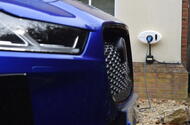
Many of the electric vehicle chargers fitted at homes and workplaces may never have been checked since the day they were installed, according to Safer Charging, a maintenance company that services them. The firm argues that a gap in the law leaves private units without any clear duty to be tested or repaired, which could leave drivers and building users exposed.
Public chargers in the UK must meet the Public Charge Point Regulations, which require them to be working 99% of the time. The rules are enforced by the Office for Product Safety and Standards. Private units are excluded if they are not accessible to the general public at any time, which covers most garage, driveway and company car park installations. For those devices, the main legal requirement is the Electricity at Work Regulations, which expect workplace electrical equipment to be safe. In practice, that is usually demonstrated through an Electrical Installation Condition Report, or EICR. For offices and public buildings, the usual recommendation is one every five years. Safer Charging founder Chris Cheetham warns that a business without a current report could find its insurance cover in doubt.
Cheetham also raises the risk that a charger's supplier or installer disappears. Andersen EV went into administration in 2022, and the buyer did not take on its liabilities. The company's warranty terms now say that Andersen chargers bought before 24 October 2022 no longer have contractual warranty support. Owners in that position may find that repairs and support are no longer available from anyone.
A spokesperson for a major charger manufacturer said buyers should check whether a supplier or installer is likely to survive over the long term, and encouraged businesses to do that due diligence before investing. That advice puts much of the responsibility on purchasers, which is part of the concern Cheetham describes.
Safer Charging says it is not trying to frighten private owners. The company offers backup support if an original supplier fails, along with round-the-clock monitoring and an inspection service. Cheetham's broader worry is that unreliable chargers could damage confidence in electric cars at the moment the market needs it to grow.
The Department for Transport takes a different view. A spokesperson said the Public Charge Point Regulations are designed to protect drivers using public networks, and the government is not currently considering extending them to private chargers. Unless that position changes, the question of who checks an ageing home or office charger will remain with its owner.
Reporting based on an external source.