 Carinsider
The Last Ford Fiesta Is a Smart Used Buy, If You Know What to Check
Used Cars·November 14, 2026
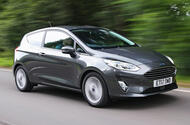
Few small cars have won over British drivers the way the Ford Fiesta did. For many people it was their first car, which is why Ford's decision to end production left so many fans surprised. The final generation, known as the Mk8, went on sale in 2017 and is now one of the most sensible used small cars you can buy. The sporty ST hot hatch deserves its own guide, so it is left out here.
Although the Mk8 looks much like the car it replaced, it is a little longer and wider, and its structure is around 15% stiffer. Ford used that extra rigidity to sharpen the handling, and testers were impressed, particularly drivers who enjoy a good corner. Engine choice matters more than anything else when you shop. The base 1.1-litre Duratec petrol produces either 69bhp or 84bhp and is cheap to insure and run, but it is slow and has only five gears. It makes most sense for lightly loaded town driving. The 1.5-litre diesel, offered with 84bhp or 118bhp, suits high-mileage drivers, though Ford dropped it in 2020.
For most buyers, the 123bhp version of the three-cylinder 1.0-litre EcoBoost is the one to choose. It comes with a six-speed gearbox, offers strong pulling power for a small engine, and remains reasonably economical. The EcoBoost range also carries an important technical split. Early engines used a wet timing belt, which runs in oil and needs careful servicing. From 2019, Ford fitted a timing chain instead, and the 99bhp engine followed around three years later. In 2020, a manual-only 48V mild-hybrid version, badged 1.0T mHEV and offered with 123bhp or 153bhp, joined the lineup. To tell them apart, look at the turbo. On a wet-belt engine it sits at the front, while on a chain engine it sits at the rear.
Inside, the front seats have plenty of room. The rear is slightly roomier than the Mk7's, and two adults will be comfortable on the back bench while three will be squeezed. The rear seat backrest folds 60/40, opening a boot that is usefully sized but not class-leading.
The easiest way to tell a Mk7 from a Mk8 is the dashboard, which was all-new for the later car. It is dominated by an 8.0in touchscreen running the Sync 3 infotainment system. That system is not likely to impress anyone today, and the plastics are mostly hard, though higher trims add more materials and features, including sat-nav. Build quality is acceptable, but a Volkswagen Polo feels more upmarket. The trims you will see most often are Zetec, with 15in alloys and a heated windscreen, Titanium, which adds cruise control and climate control, and ST-Line, with sportier styling and firmer suspension. Vignale, with leather seats and a panoramic roof, is the fun top-spec option. A 2022 facelift brought a more assertive nose, LED headlights, a 12.3in digital instrument cluster on higher trims and extra safety kit.
When inspecting a car, start with the engine. Insist on a full service history and check the invoices to confirm the correct oil grade was used, especially on wet-belt engines. Listen for rattling, and be wary if the engine sounds like a tractor when cold. Oil leaks are known across the range. Low-mileage diesels can suffer from diesel particulate filter problems if they rarely get a proper run. On mHEV models, make sure the stop-start, cylinder deactivation and regeneration systems all work.
Test the gearbox carefully. Manual clutches are not especially durable, so check where the bite point sits and whether the clutch slips under load. Some manuals have a poorly fitted bearing that causes grinding. The early torque-converter automatic and the dual-clutch automatic introduced in 2020 are generally reliable, but still give them a thorough test drive. Suspension wear is common, with drop links and bushes often needing attention, and rear axle bushes can fail. Check the rear bumper for rubbing, which can cause corrosion, and make sure panel colours match, since some shades vary slightly. Perished rear door seals can let in water, and headlights can suffer from internal delamination.
Prices vary widely. Between £3,750 and £3,999 you will find early 1.0 and 1.1 petrols with high mileage, and 1.5 diesels with well over 100,000 miles. Be careful not to mistake a late Mk7 for a Mk8 at this level. From £4,000 to £7,999 there is a huge choice of engines, trims and mileages, including some cars registered as late as 2023. Between £8,000 and £11,999, expect plenty of high-mileage 1.0T and mHEV cars from 2020 onward. At £12,000 to £14,999, the best buys are low-mileage, late-registration 1.0T mHEVs.
Owner Lilly Bassett bought a 2018 1.0T EcoBoost with 71,000 miles on the clock. Some months later the oil warning light began to flicker and then stayed on. A garage told her to stop driving immediately. Inspection found traces of what looked like rubber in the oil and the filter, and the mechanic concluded the wet timing belt probably needed replacing, with fragments of the old belt likely restricting oil flow. She approved the work, which cost just over £1,000, and the warning light has not returned. Her advice is to check the service history carefully and to use the correct oil grade, which she was told is vital for protecting the belt.
Reporting based on an external source.