 Carinsider
Tesla's Model Y Makes Long EV Road Trips Feel Easy, Until the Charger Slows Down
Reviews·November 21, 2026
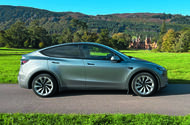
A UK motoring writer recently drove a Tesla Model Y on a 1,249-mile round trip from Berkshire to Inverness and back over five days. The goal was to test the old objection to electric cars, that a long drive on short notice is impossible. The verdict was that the objection no longer holds up well.
The reasons come down to software and infrastructure. Tesla's built-in route planner sets each charging stop as the next destination, so a trip of more than 1,200 miles becomes a series of legs of about two hours each. That made the distance feel manageable. The planner also builds in generous margins, so the writer never had to watch the range display or chase a target figure. On mostly motorway driving, the car averaged about 228 miles on a full charge at roughly 3.1 miles per kWh. The electricity for the whole trip cost around £170. A 40mpg petrol car would have needed fuel worth just over £240.
The car's voice assistant, which Tesla calls Grok, handled much of the small stuff. It rerouted to a closer stop when the writer needed a break, checked whether a car park charged fees, and looked up a hotel's kitchen hours and phone number. The writer had initially been put off by the lack of Apple CarPlay, but came to prefer Tesla's native navigation, which avoids the awkwardness of third-party apps.
Comfort also rose in the writer's estimation over the course of the trip. The Model Y is firm and does not handle rough surfaces especially well, but the driving position, the seats and the light steering made long days less tiring than expected.
Charging speed was the clear weak point. The car is rated for up to 250kW, but it rarely gets close. At the fastest chargers it might briefly reach about 200kW, then fall into the low 100s and settle around 75 to 80kW. That pattern held regardless of temperature, battery preconditioning or battery size. On one leg, a cold morning left the battery predicted to arrive with a deficit of 2 percent. Rather than shutting down, the car lowered its top speed to 62mph until the battery was back in range, and the writer reached a Supercharger where a stall was waiting.
For buyers, the takeaway is that Tesla's network and planning software make long EV journeys feel close to driving a petrol car. Anyone expecting quick top-ups, however, should plan for slower stops than the headline charging figure suggests.
Reporting based on an external source.