 Carinsider
Sweet Charge: Crewe's Whitby Morrison Builds Its First Electric Ice Cream Van
Commercial Vehicles·November 8, 2026
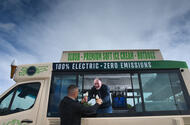
Whitby Morrison has been turning delivery vans into ice cream vans since 1962, and the Crewe firm has now launched its first fully certified electric model. The company converts around 80 vans a year, most of them on Mercedes Sprinter chassis cabs for UK operators. Each build takes about eight weeks, and customers typically wait 12 months from order to delivery.
The electric van grew out of a practical problem. Ed Whitby, the operations director and grandson of founder Bryan Whitby, says the family began considering an electric van when electric delivery vehicles first appeared on British roads about five years ago. Range and payload were not good enough at the time. Mercedes then made the eSprinter available as a chassis cab, a far more suitable base than the panel van it had offered before. When the firm was able to order the first eSprinter 414 81kWh chassis cabs, it did. Kris Whitby, the production director, arranged training and certification so staff could work safely with high-voltage drive systems. The first conversion was finished a few months ago.
The company says the van can be driven on a standard car licence, with a gross vehicle weight of 4,250kg and a payload suited to a busy trader. Whitby quotes a real-world range of 180 miles, and 200 miles in testing. A 22kW charger takes the battery from 20 to 80 percent in just over two hours, so it can charge overnight. A 110kW rapid charger cuts that to 26 minutes. Running costs at home are said to be under a quarter of a diesel van's. The price is around £200,000 before VAT, which is a major hurdle for a trade that has long relied on modest diesel vehicles.
The demonstrator on the forecourt is an eMondial Lusso, finished in a plain cream that suits the upmarket London pitches it is destined for. Whitby says a sale has already been made to Hocking's Dairy Cream Ices, a long-established operator in Devon, where long rural journeys make range a real concern.
A separate system may prove just as important. Whitby Morrison's patented ePower kit uses three lithium-ion batteries with a combined capacity of 15kWh to run the cabin, including the Carpigiani soft-serve machine, without the engine. The batteries can be charged from a home socket or from solar panels on the roof. Fitted to a diesel van, ePower lets traders serve silently in parks, at festivals and at theme parks where organisers want cleaner operations. The company says about 70 percent of its new diesel vans now include it.
Sales are still early. Whitby Morrison has so far taken only a handful of orders for its electric vans. Exports have also shrunk to roughly 5 percent of the business, which Whitby blames on foreign buyers becoming less willing to buy British since Brexit. He is betting that vehicle renewals, lower running costs and easier treatment from councils and event organisers will eventually persuade more traders to switch. The timing fits a wider picture in the sector. The SMMT reported that more than £1 billion has been committed to Britain's van, truck and bus industry over the past five years, even as Jaguar Land Rover announced 4,000 job cuts in the West Midlands the same week.
Reporting based on an external source.