 Carinsider
Porsche's Overlooked 968 Is a Front-Engined Bargain at £11,000
Classics·October 22, 2026
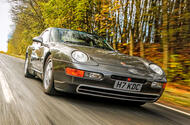
Porsche sold the 968 for only four years, and fewer than 13,000 were built worldwide. Only around 850 are thought to remain in the UK, which makes it one of the rarer Porsches a buyer can still get for the price of a decent used hatchback. That scarcity cuts both ways. Fewer cars means fewer parts in circulation, but an enthusiast following and a committed network of suppliers keep most mechanical and trim items within reach.
The car grew out of the 944. Porsche first planned it as a 944 S3, then decided the revised model deserved its own name. It kept the 944's basic dimensions and chassis, received a new look and a 3.0-litre, 16-valve, all-aluminium four-cylinder with balancer shafts, producing 237bhp. The engine sits up front and drives the rear wheels through a transaxle, a layout Porsche had first used on the 924. Its VarioCam variable valve timing gave the engine a broad, flexible spread of torque. Autocar's testers gave the handling full marks for grip and composure, though they found the ride firm to the point of harshness.
Three versions matter. The original 1992 car came as a 2+2 coupé or a two-seat cabriolet. In 1993 the Club Sport arrived, lighter and sharper, with most of the interior stripped out and lightweight Recaro seats mounted lower. Buyers were not impressed by a cheaper, more spartan car, so at the end of 1994 Porsche introduced the Sport, a middle path that is now regarded as the best of the bunch.
Buying one today means checking a few known weak points. Service history matters most, since the engine uses both a timing belt and a cam chain. The belt, the water pump and the balancer shaft belt should all be changed every four years. Listen for noise from the cylinder head, which can point to worn tensioner guides, and look for leaks around the front engine seal. Clutch slip on manual cars is expensive to fix. The bodyshell can rust around the rear arches and the trailing arm mounts, and water getting past failed seals can damage the under-seat ECU.
Money-wise, the £11,000 to £14,999 band offers a good choice of regular cars, some with recent specialist work. Sport models begin to appear around £15,000 to £19,999, and very clean, low-mileage cars sit in the £20,000 to £34,999 bracket. Parts supply is reasonable. Essex-based specialist Design911 says most items can be sourced, with harder-to-find ones taking around three weeks, though seat fabrics and carpets are becoming tougher to track down. Porsche Classic also stocks a large catalogue of genuine parts.
Reporting based on an external source.