 Carinsider
Inside the Tiny Studio Behind Hot Wheels, the World's Top-Selling Toy Car
Collectables·October 25, 2026
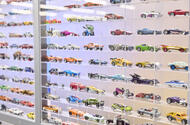
Tucked into a plain business park just south of Los Angeles airport, Mattel's Design Centre gives very little away from the street. A small orange track running up the front steps is about the only clue. Inside, the team that shapes Hot Wheels works on the designs that end up in toy shops and collector cabinets around the world, and they do it at a scale of 1:64.
The numbers behind the brand are large. Hot Wheels, which launched in 1968, took in around £1.3 billion last year and is now the best-selling toy line in the world by volume, ahead of Barbie within Mattel's portfolio. The company launches roughly 200 new designs a year and says it makes around 750 million cars annually. The design process starts with a mix of real-world models and invented ones, called Originals, and it is guided by what sells. SUVs are a hard sell in miniature, while small cars, particularly Japanese models, are rising in popularity.
Every model is a bespoke project with its own moulds, and it takes 12 to 18 months to go from concept to shelf. Budget Mainline cars, which sell for about £2, are made mostly from plastic. Higher tiers add metal bodies and more moving parts, and the Elite 64 at around £20 can have up to 40 parts, including opening doors and bonnets. Shrinking a real car down is not just a matter of scaling it. The designers protect the features that define a vehicle, such as the intakes and headlights, and adjust wheel size and proportions so the toy still looks right. Paint is its own challenge. Metallic finishes contain flakes that look wrong at this size, so the team often needs a custom mix, and manufacturers can be fussy about their colours.
Prototypes are now 3D printed in about 90 minutes, which lets the team test three versions of a car in a single day. Each finished car must run the brand's signature 30-foot orange track and complete a loop, though the team declines to publish speed rankings. Before a model goes into production, the carmaker of the real vehicle gets final approval, which helps keep the toys accurate and the relationships healthy.
The most notable shift is among adults. Alex Ries, global head of Hot Wheels, says the adult collector segment is growing faster than any other part of the business, a trend that began during the pandemic and has continued since. The brand's new Challenge Accepted campaign leans into that interest with models inspired by well-known personalities, and a live-action Hot Wheels film is on the way. For the designers, many of whom collect cars themselves, the job still comes back to the same thing: making something a child can hold, roll and loop.
Reporting based on an external source.