 Carinsider
Euro 7 Takes Aim at Brake Dust, Tyre Wear and EV Batteries From 29 November
Regulation·November 9, 2026
From 29 November, Euro 7 begins to apply across the EU, and it changes what regulators measure. Earlier standards focused on what comes out of the exhaust pipe. Euro 7 also covers the fine dust released by brakes and the particles shed by tyres, and for the first time electric cars are caught by the rules too.
Battery durability is one of the new requirements for EVs. An electric car must keep at least 80% of its original battery capacity for the first five years or 100,000 km (62,000 miles), whichever comes first. From five to eight years, or 160,000 km (99,422 miles), the minimum drops to 72%, again whichever comes first.
Brake particles are measured for particles 10 microns or smaller, known as PM10. Petrol and diesel cars must stay below 7 mg/km (11.3 mg/mile). Electric cars face a tighter limit of 3 mg/km (4.8 mg/mile), and the reason is regenerative braking. Because the motor does much of the slowing, the friction brakes do less work and throw off less dust. The dust itself is a by-product of pads clamping onto steel discs to turn the car's momentum into heat.
Aftermarket suppliers are preparing as well. Replacement brake parts sold in the EU must meet ECE R90, which confirms they perform like original equipment and are safe on the road. Euro 7 currently applies only to new cars and factory parts, but independent suppliers are not waiting for the rules to reach their shelves.
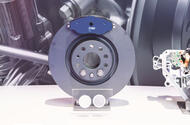
ZF Aftermarket is one of them. Through its TRW brand, it has developed a dust-reducing pad and disc system it calls DTEC. ZF's approach works on the disc as well as the pad. A large share of brake dust comes from the steel disc, so hardening the disc surface is one of the most direct ways to cut emissions.
ZF does not expect a single fix to win out. It thinks manufacturers will mix disc surface treatments with different pad compounds, and that the right combination will depend on a vehicle's inertia and its engine type. Hardening discs can also make noise and vibration harder to manage, so ZF tests the whole braking system together on a rig it calls DustIN. The rig runs the same test cycles that were used to develop Euro 7.
For owners, the practical result is likely to be that pads and discs are engineered as a matched set rather than as independent parts.
Reporting based on an external source.