 Carinsider
Citroën's Retro 2CV Returns as a Budget EV for 2028
EVs·October 12, 2026
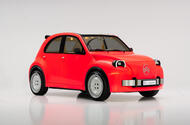
Citroën has pulled the cover off a 2CV concept at the Paris show, and it looks close enough to the finished product that the wait for the real car should feel short. Production is pencilled in for about two years from now, and the brand is aiming to sell it as one of the cheapest electric cars available anywhere.
The target price is €15,000, or roughly £12,750, which would make the new 2CV the least expensive car on sale in the UK. Citroën's chief designer, Antoine Gaillot-Drevon, framed the car as a practical tool for people who still need affordable transport, such as nurses working in rural areas. The original brief of carrying two farmers, a sack of potatoes and a basket of eggs over ploughed fields has been updated for the electric era, but the spirit of cheap, simple motoring is intact.
Hitting that price depends on a new electric platform, separate from the Smart-derived architecture under the current C3 and from the STLA One platform that parent company Stellantis is developing. It is designed to fit the EU's proposed rules for small electric cars, which are meant to encourage manufacturers to build them. Citroën is targeting a kerb weight of about one tonne, which would put it among the lightest EVs on sale. That points to a small battery. The existing e-C3 gives a sense of the scale, with its entry-level 30kWh LFP pack covering around 130 miles, while the Renault Twingo, a close rival in both price and retro styling, manages 157 miles from 28kWh.
The concept is 3.76m long, which is even shorter than the 1948 original. Gaillot-Drevon said size was one of the hardest questions during a development process that went through several changes of direction as successive management teams went back and forth between a faithful retro revival and a new shape only inspired by the 2CV. Once Xavier Chardon became chief executive last year, the project finally got the go-ahead.
The design leans on the Toute Petite Voiture, the 1930s prototype that preceded the 2CV, and it keeps the car's familiar silhouette. The interior is more playful. Benches are upholstered in yellow tartan, the umbrella-style gear lever returns in an EV-friendly form, and the radio can be removed and used as a Bluetooth speaker on a picnic. The canvas roof has to be rolled back by hand while the car is stationary, a deliberate bit of interaction that Citroën says will survive into production.
Citroën is also making a strategic point with the car. Chinese brands are arriving with cheap electric models, and the French firm cannot win a pure price contest against them. Gaillot-Drevon's answer is emotion. "You can't buy history," he said, arguing that Citroën's heritage gives it something newcomers lack. Whether a tartan-seated, hand-rolled roof can carry that argument in a showroom will become clear in 2028.
Reporting based on an external source.