 Carinsider
Carmakers Keep Pushing EVs Even If Governments Ease Off
EVs·November 4, 2026
Suppose the UK or EU softened its emissions rules to give petrol and diesel cars a longer exit route. Would manufacturers slow their electric launches in response? According to Patrick Hummel, automotive analyst at UBS, the answer is no. "The manufacturers are going to change exactly nothing," he said recently. "If anything, I would accelerate the rollout of a proper EV portfolio."
That is a notable position for a bank to take. Environmental groups have spent years pressing governments to keep the 2035 deadline for phasing out new combustion-engined cars. When an investment analyst says the industry will move regardless of the rulebook, it suggests the argument has shifted from policy to profit.
Sell-side analysts like Hummel write detailed reports for investors on how companies are performing. Their work is dense and largely unemotional, and if a firm's strategy is failing financially, the next report is likely to recommend selling the stock. Hummel's view, in other words, is a judgement about money rather than a statement of green ideals.
For a long time, the numbers did not add up. Electric cars cost more to build than comparable petrol models, and without enough buyers willing to pay the difference, margins suffered. That changed this summer. The gap between the cost of running an electric car and a combustion car has widened sharply, new EVs offer long ranges at prices close to their petrol equivalents, and charging has improved noticeably. Hummel describes this combination as "triple parity", the point at which consumers finally begin to switch.
Not every carmaker is still giving up margin to sell EVs. Volvo says its new electric EX60 earns a bigger profit than its combustion sibling, the XC60. Erik Severinson, the company's commercial head, put it plainly to investors: "It shows that you can make money on BEVs."
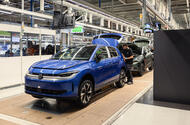
Demand is also creating a headache for others. Volkswagen's new ID Polo small EV has waiting lists that stretch into next summer. Hummel's read is that the company planned its production ramp-up a couple of years ago and is now surprised by how many people want the car. Some of those buyers may not wait, he suggested, and could "shop for a BYD in the meantime."
Only two years ago, enthusiasm for electric cars had faded and the mood was gloomy. Now they are in demand again. Nobody can say for certain what comes next, but the lesson from this turn in the market is clear: the carmakers that react fastest are the ones most likely to benefit.
Reporting based on an external source.