 Carinsider
Can BMW's 2.8-Tonne iX5 Still Earn the "S" in SUV?
Reviews·October 23, 2026
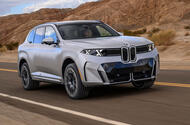
BMW is offering the new X5 in more ways than most rivals offer a whole range. The G65-generation model will be sold with mild-hybrid petrol and diesel engines, a plug-in hybrid, a battery-electric version and, eventually, a hydrogen fuel cell drivetrain. BMW describes the approach as powertrain-agnostic, a hedge against shifting EV mandates and subsidies and against buyers who still cannot decide whether diesel is worth having. The car is due in UK showrooms next spring.
The electric iX5 is the version that carries the Neue Klasse design language and technology into the X5 family, and it comes with a very large battery. In most dimensions the car is bigger than the one it replaces, and in a few key areas the growth is dramatic. At roughly 2.8 tonnes, weight is the number that will decide whether the model earns its place in the conversation.
That matters because the X5 was built on a promise. When it arrived in 1999, BMW called it a sports activity vehicle, or SAV, and argued that it could be fun to drive when the 4x4s around it were not. The formula worked. BMW has sold more than three million examples across generations, and in some markets the X5 now outsells the 5 Series it was originally conceived to resemble, a sign of how thoroughly the SUV has taken over the road.
Size and mass are the obvious challenges for any heavy electric crossover, since extra weight tends to show up in cornering, braking and the feel of the steering. Whether the iX5 keeps the sporty character that defined the nameplate will come down to how its chassis hides that mass on real roads. Reviewers who have driven the finished car will have the answer, and the headline question is the one most buyers will be asking.
Reporting based on an external source.