 Carinsider
Budget freezes fuel duty and puts £100m into public EV charging
Policy·October 28, 2026
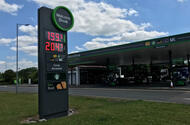
Chancellor John Healey used his first budget to keep fuel duty where it is, a move aimed at easing pressure on drivers while pump prices remain high. The freeze was due to end on 31 December 2026, but the 5p-per-litre cut will now stay in place until July 2027, leaving total duty at 52.95p per litre. Healey blamed the war in the Middle East for keeping fuel expensive. The government also said most of the rise in inflation, from 2.6% in June to 3.5% in September, came from motor fuel prices.
Reaction was mixed. Conservative leader Kemi Badenoch said she was glad to see the freeze but asked why it could not be held for longer, pointing out that her party froze fuel duty for 14 years. Edmund King, president of the AA, said a freeze only postpones the price jump when duty eventually rises. He argued the government could have cut duty by another 5p, at least for diesel, and paid for it with the extra VAT raised on higher pump prices.
For electric car owners, the temporary removal of VAT on domestic electricity will run until July 2027. That helps anyone who can charge at home, but electricity bought at public chargers will still carry 20% VAT. King said this widens the so-called "pavement tax" between drivers with driveways and those without, and called it a missed chance to encourage EV take-up. The government says it is considering letting public chargers use the lower domestic VAT rate and is setting up a taskforce on the issue. It also plans £100m to reduce prices at local, lower-powered charge points, split between £50m in 2027-28 and £50m in 2028-29. The Electric Vehicle Association England welcomed the money but said it was disappointed there was still no movement on VAT for public charging.
The budget also gave more detail on the pay-per-mile tax for EVs, known as eVED. It begins in April 2028. The government is testing a tool that lets owners estimate and declare their mileage, and is working on a way for trip computers to report mileage automatically if drivers opt in. An automated refunds process for drivers who overestimate their mileage or sell their car is targeted for 2030. The Office for Budget Responsibility expects eVED to add around £2 billion to vehicle excise duty revenue by 2031-32, and fleet operators will receive further guidance later this year.
Business drivers get higher approved mileage rates. The 55p-per-mile rate for those covering up to 10,000 miles a year, temporarily raised for this tax year, will now be permanent. The rate for mileage above 10,000 miles rises from 25p to 35p. Separately, benefit-in-kind tax bands for company car users will go up by one percentage point in 2030-31, which the government expects to raise an extra £310m that year and £345m in 2031-32.
Reporting based on an external source.