 Carinsider
A Nail, a Tow and a Half-Charged Battery: Life With the Volvo ES90
EVs·November 5, 2026
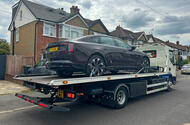
Electric cars can be packed with software and sensors, but a flat tyre still has a way of ruining the day. Our reviewer had just stepped out of a sound bath, five minutes from home, when the ES90 chimed with a low tyre pressure warning. The nearside tyre read 31psi, while the other three sat at 40psi. The drive home was short, and once the car was parked, a nail was found lodged at an awkward angle deep in the tread.
The ES90 comes with a temporary puncture repair kit instead of a spare wheel. By morning the tyre was flat. Volvo Assist, covered for three years from the registration date, sent a mechanic within a few hours. He hoped to patch the tyre or pump it up enough to limp the eight miles to the nearest dealer, but the nail's position ruled that out, so the car was towed. A flatbed arrived less than two hours later and took it to Volvo North West London. The dealer called soon after to say the correct tyre was in stock, and the car was ready to collect the next day. The reviewer admits a local tyre shop would have been quicker and cheaper, but said it was a reassuring example of Volvo's support services working together.
The second issue was less familiar. After an Ohme engineer installed a home charger, the owner started receiving alerts reading "Charging Error. Your car is charging slower than expected!" Because they had not needed an urgent top-up yet, they had not been watching charge times closely. That changed when a friend with a BMW iX3 used the charger overnight and woke to find the battery only half full. The Ohme app showed the car drawing about 3.6kW instead of the expected 7kW.
Ohme diagnosed a fault with the current transformer clamp remotely, and an engineer replaced it. That did not fix the power limit. The final answer was that the clamp was not needed for load management at all, because the home has a 100A electricity supply rather than the 60A that would have made it necessary. The app now shows a maximum charging rate of around 7kW. The reviewer says the problem appears resolved and promises a follow-up if it returns.
The takeaway for owners is simple. A puncture can be handled through a manufacturer's roadside and dealer network, but a newly installed home charger is worth checking in the app early, especially if you rarely charge in a hurry and might not notice a slow rate until it matters.
Reporting based on an external source.